
Replacing an Electric Furnace
Electric resistance heat is the most expensive way to warm a Central Oregon home. A heat pump delivers the same warmth for a fraction of the energy.
One system that heats through high-desert winters and cools through smoky summers. We install, repair, and maintain cold-climate heat pumps built for life at 3,600 feet.
If any of these sound familiar, a heat pump deserves a serious look - or your existing one needs attention.
Electric resistance heat is the most expensive way to warm a Central Oregon home. A heat pump delivers the same warmth for a fraction of the energy.
Our heating season stretches from October into April. The more months you heat, the more an efficient system pays you back.
Every heat pump doubles as a full air conditioner in summer. One outdoor unit, two jobs - no separate AC purchase needed.
A heat pump stuck in defrost mode, or one that never seems to defrost, points to a failing sensor, board, or reversing valve we can repair.
Light frost is normal on cold mornings; a unit encased in ice is not. Don't chip at it - that damages coils. Call us instead.
If your existing heat pump limps through cold snaps, it may be low on refrigerant, poorly sized, or simply an older model due for a cold-climate upgrade.
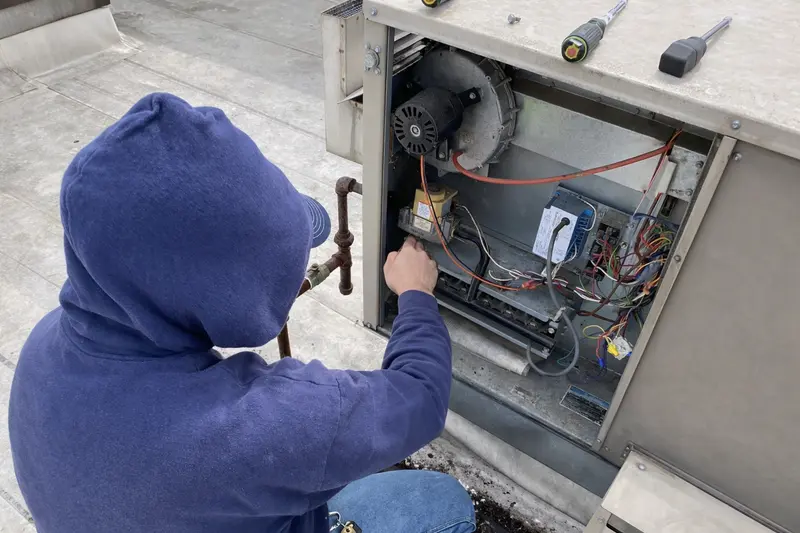
Whether you're curious about switching or your current unit is acting up, we start with straight answers, not a sales pitch.
"Do heat pumps even work here?" It's the question we hear most, and the skepticism is understandable - early heat pumps genuinely did lose their punch when Central Oregon nights dipped into the teens. That era is over. Modern cold-climate models with inverter-driven compressors maintain strong output far below freezing, and they're proving themselves every winter in homes from Sisters to La Pine at our roughly 3,600-foot elevation.
The appeal here is doubled by our climate: the same unit that heats you through a long high-desert winter switches to full air conditioning for the 90-degree stretches and smoke-sealed weeks of late summer. For homes still running electric furnaces or baseboards, the efficiency jump is dramatic. And qualifying installations may be eligible for utility incentives through Energy Trust of Oregon - ask us about current incentives and the federal energy-efficiency tax credit when you get your estimate.
Prefer a safety net for the coldest nights of the year? A dual-fuel system pairs the heat pump with a gas furnace that takes over automatically below a set temperature. Most of the winter you run on cheap heat-pump warmth; on the rare single-digit night, the furnace does the heavy lifting.
Upgrade to efficient year-round comfort without the lump sum. Low monthly payment plans are available on approved credit.
Yes - and this is the biggest misconception we run into. Heat pumps from 20 years ago struggled below freezing, but today's cold-climate models use variable-speed inverter compressors that keep producing strong heat well below zero. Thousands of homes at Bend's elevation already heat with them through every cold snap. For homeowners who want extra insurance, a dual-fuel setup adds a gas furnace that takes over automatically on the very coldest nights.
In most cases, yes - a heat pump moves heat instead of creating it, so it delivers more heat per dollar of energy than electric resistance heating and often beats gas as well, depending on utility rates. If you currently heat with an electric furnace or baseboards, the savings are usually significant. We'll look at your current system and utility rates and give you an honest comparison for your specific home.
A properly sized and maintained heat pump typically lasts 12 to 15 years here. Because it runs year-round - heating through our long winters and cooling in summer - it logs more hours than a furnace alone, which makes twice-yearly maintenance especially worthwhile. Correct sizing at installation matters too: an undersized unit runs constantly and wears out early.
Often, yes. Qualifying high-efficiency heat pumps may be eligible for utility incentives through Energy Trust of Oregon and for the federal energy-efficiency tax credit. Programs and eligibility rules change, so ask us about current incentives when you get your estimate - we'll help you identify what your installation may qualify for.
Absolutely - that's a dual-fuel system, and it's a popular choice in Central Oregon. The heat pump handles the bulk of the heating season at low cost, and your gas furnace kicks in automatically when temperatures drop below the switchover point. You get efficiency most of the year and full furnace power on the harshest nights.
Gas and electric furnace service, including the furnace half of a dual-fuel heat pump system.
Learn MoreHeat pump comfort without ductwork - ideal for ADUs, additions, and older homes.
Learn MoreHeat pumps work year-round, so twice-yearly tune-ups keep efficiency high and breakdowns rare.
Learn MoreGet a free, no-pressure estimate for your home - or fast repair on the heat pump you already own.